How to Understand Valorant Competitive Play and Key Matchups
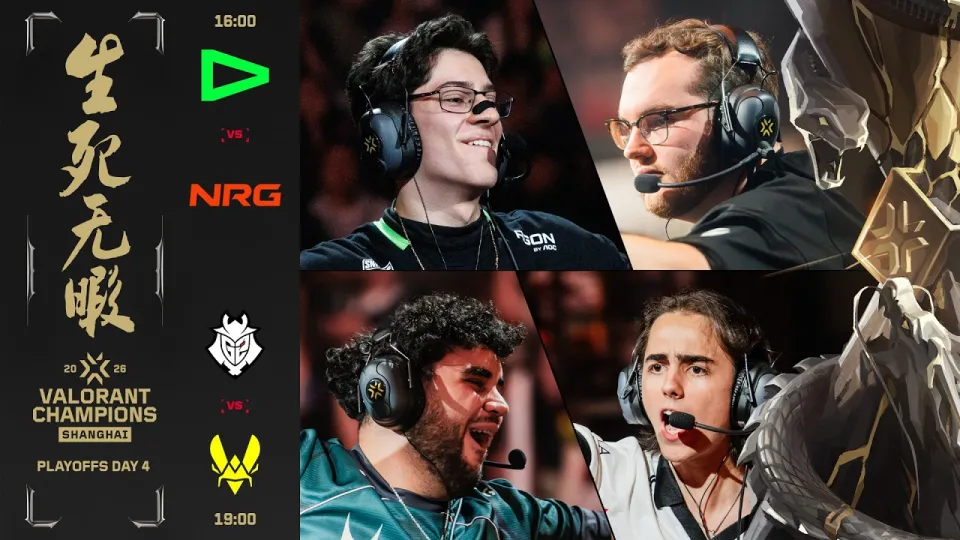
Video: [TH] LOUD vs NRG | G2 vs VIT - VALORANT Champions Shanghai - Playoffs Day 4
Want articles like this for your own video to promote it on YouTube and Google? Order them through the Telegram bot @sat_sit_bot. Articles with your video embedded are written and posted by the bot itself — on popular topical sites (no ads). Free trial — 50 articles.
· based on the channel VALORANT Esports Thailand
Key takeaways
- VALORANT Champions Shanghai featured top teams like LOUD, NRG, G2 Esports, and Team Vitality
- Playoffs matches included multi-map series on Haven, Sunset, Summit, Abyss, and Split
- LOUD and NRG match highlights include a 36:43 long game on Haven
- Team Vitality showcased strong performances, noted by fans as top contenders
- Map control and agent strategies are crucial in high-level Valorant gameplay
Valorant is a tactical first-person shooter that emphasizes teamwork, strategy, and map control. Understanding competitive play requires familiarity with how teams adapt to different maps, agents, and opponents. Key matchups such as LOUD vs NRG and G2 Esports vs Team Vitality at the Valorant Champions Shanghai playoffs highlight the evolving meta and skill ceilings of top-tier Valorant competition.
Overview of Valorant Competitive Play
Valorant competitive matches are played in a best-of-three or best-of-five map format, where each map demands unique strategies due to different layouts and objectives. Teams must coordinate agent abilities, execute precise gunplay, and adapt to opponents’ tactics to secure rounds. The Champions tournament gathers elite teams worldwide, making it an excellent showcase of high-level gameplay.
Key Matchups at Valorant Champions Shanghai
The playoffs featured intense matches including LOUD vs NRG and G2 Esports vs Team Vitality. LOUD and NRG faced off in a series that stretched across three maps: Haven, Sunset, and Summit, with the first map lasting an impressive 36:43 minutes, indicating a highly contested battle. G2 and Vitality competed on Abyss and Split, with Vitality gaining recognition from fans for strong performances and innovative strategies.
Map Strategies and Their Impact
Each map in Valorant offers different chokepoints, bombsite structures, and angles that influence team strategies:
- Haven supports three bombsites, requiring teams to spread out and maintain communication.
- Sunset offers tight corners and opportunities for close-quarters combat.
- Summit features verticality and narrow pathways.
- Abyss and Split demand precision and map control, with Split known for its aggressive mid control.
Successful teams leverage agent abilities to control vision and territory, enabling smarter rotations and clutch plays.
Team Vitality’s Rising Dominance
In the current competitive scene, Team Vitality stands out due to their flexible agent compositions and aggressive playstyle. Fans noted their exceptional performance at the Champions playoffs, marking them as top contenders for the title. Their ability to adapt mid-match and counter opponents’ strategies makes them a team to watch.
Common Questions About Valorant Competitive Play
Understanding Valorant’s competitive scene often raises questions about map picks, team dynamics, and meta strategies. Analyzing matches like those at the Champions Shanghai provides insights into how pro teams prepare and execute their game plans.
Conclusion
Valorant’s competitive landscape is defined by strategic depth, team coordination, and map mastery. Matches between teams like LOUD, NRG, G2 Esports, and Vitality during the Valorant Champions Shanghai playoffs illustrate these elements vividly. Following such events, especially through sources like the VALORANT Esports Thailand channel, helps players and fans deepen their understanding of the game’s evolving meta and strategies.
Questions & answers
What makes teams like Team Vitality stand out in Valorant tournaments?
Team Vitality is known for flexible agent compositions, aggressive strategies, and quick adaptations during matches, which often give them an edge over opponents in tournaments.
How do map differences affect team strategies in Valorant?
Each map has unique layouts and objectives, affecting how teams position themselves, choose agents, and control key areas. For example, Haven’s three bombsites require spread-out defense, while Split emphasizes mid control.
Why are long matches, such as the 36:43 Haven game between LOUD and NRG, significant?
Extended matches indicate highly competitive play where teams are evenly matched, leading to multiple overtime rounds and showcasing endurance, tactical depth, and clutch performance.
Where can I watch high-level Valorant matches to improve my gameplay understanding?
Channels like VALORANT Esports Thailand provide comprehensive coverage of major tournaments such as the Champions Shanghai playoffs, offering valuable insights into professional playstyles and strategies.
Source: [TH] LOUD vs NRG | G2 vs VIT - VALORANT Champions Shanghai - Playoffs Day 4 · Markdown version